
Individuals are then dealing with urges to drink or use drugs, which can be difficult to navigate. These desires can emerge due to various triggers, both external and internal, making it crucial to understand their nature. It can take some time for a person’s brain chemistry to readjust after giving up alcohol. But until it does, you’ll likely experience especially strong cravings. Identifying the specific situations or external and internal triggers, places, or people that trigger your alcohol cravings is a crucial step.
- Although cravings often feel unpredictable, there are usually triggers that lead to them.
- For some, they pass quickly, while for others, it takes a longer for them to resolve.
Burnout & Substance Use: A Prevention Playbook for Workers, Parents, and Managers
- Within minutes someone usually copycats your choice which reinforces your decision.
- These thoughts, feelings, sensations, and beliefs are not necessarily negative.
- Having the right tools at hand is the key to successfully managing cravings.
- Incorporating foods rich in vitamin B6, such as bananas, avocados, and chickpeas, into one’s diet can help support a healthier brain chemistry and reduce cravings.
“A typical craving might last for 3 to 5 minutes,” notes Christina Hanks, senior recovery coach and care team manager at Tempest. Cravings won’t necessarily affect everyone who cuts back on alcohol. Still, they’re pretty common, especially if you drink regularly or your alcohol use falls into the “heavy drinking” category (binge drinking 5 or more days in the last month). You can’t always change the situation that’s creating these feelings.
Withdrawal
Managing alcohol cravings becomes more achievable when you understand your triggers and have some effective coping strategies ready to use. Engaging in regular physical activity releases dopamine, positively affecting mood and reducing stress levels. Maintain a balanced diet rich in vitamin B6, omega-3 fatty acids, and antioxidants to support brain health and minimize cravings. Identifying and avoiding triggers is crucial to reduce the intensity of cravings and promote Sobriety healthier coping mechanisms. Breaking this loop can help a person overcome alcohol cravings and manage their alcohol intake.
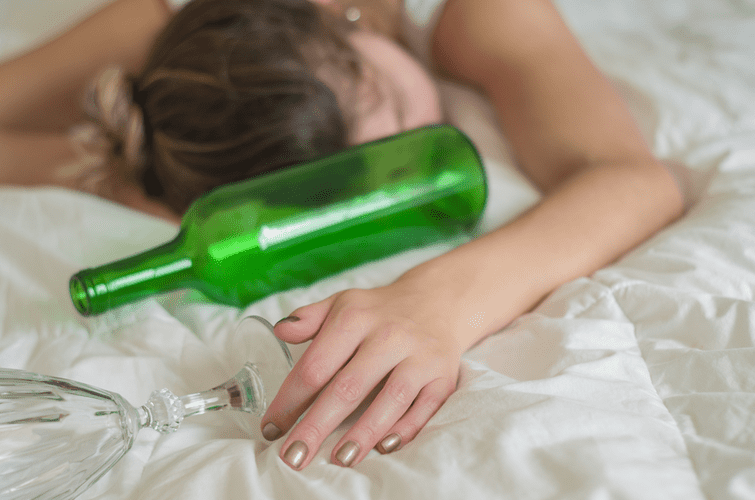
Brain Chemistry

Slow, deep breaths can calm your mind and reduce the anxiety or stress that often accompanies cravings. When confronted with their triggers, individuals may experience both psychological and physical changes. Psychologically, the memories of enjoyable past drinking experiences intensify the craving.
Dual Diagnosis Treatment: Addiction and Mental Health

If you’ve ever tried to quit or cut back on alcohol, you’re probably familiar with that sharp, nagging urge that seems to come out of nowhere. And for many people in recovery, alcohol cravings can how to stop alcohol cravings feel like the hardest part of sobriety. They can sneak in when you’re tired, stressed, celebrating, or even just bored. One minute you’re fine, and the next, you’re fighting the strongest impulse to reach for a drink.